Fearless Persistence

launches in

0

days

Pre-order now

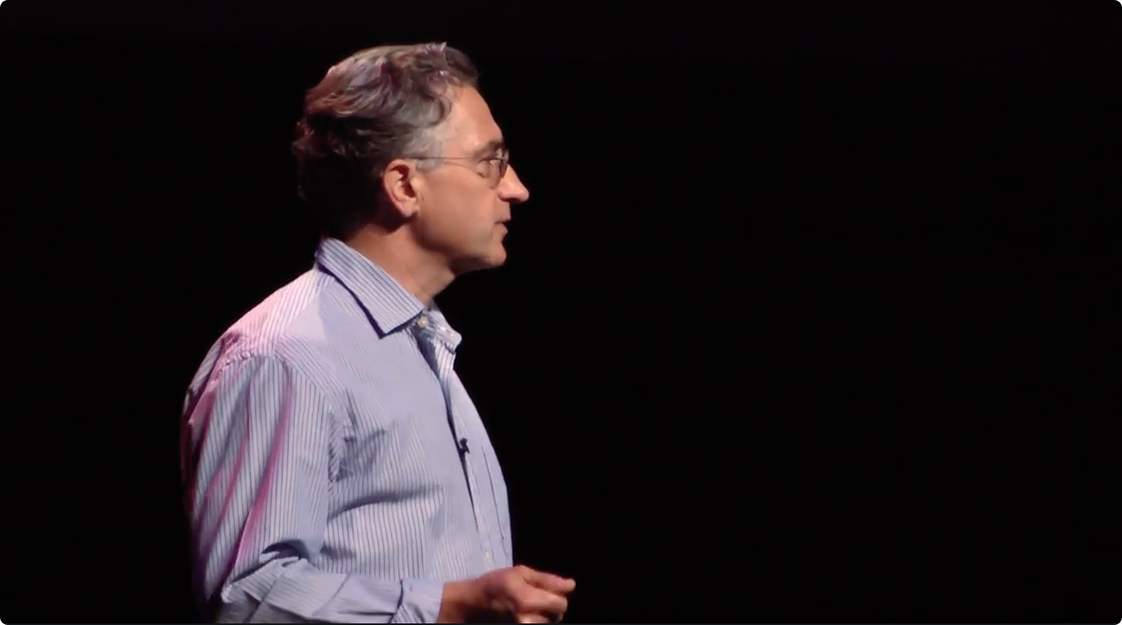
Adam Leipzig teaches the art of persistence and creative leadership to help people thrive in their work, their purpose, & their communities.

Request an executive conversation

See the signal system

Most organizations don't have a strategy problem.

They have a transmission problem.

why strategies fail

Most strategies don’t fail because they’re wrong

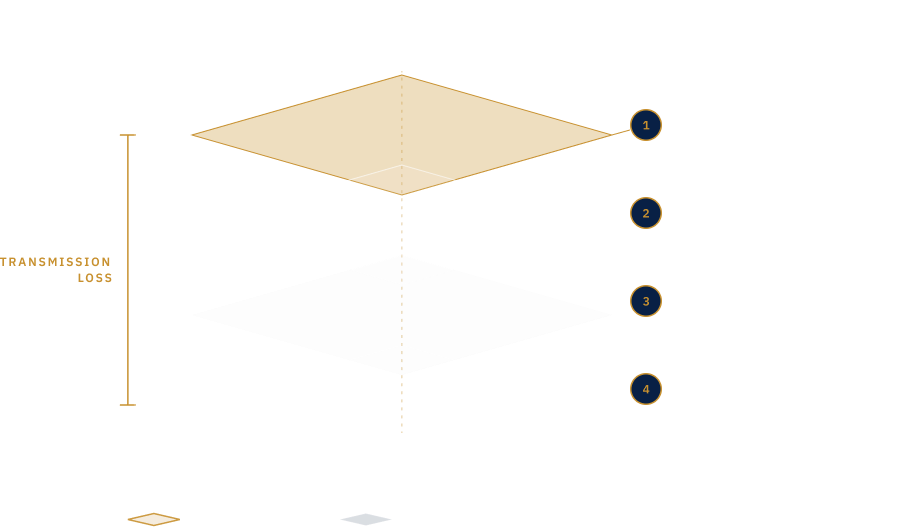
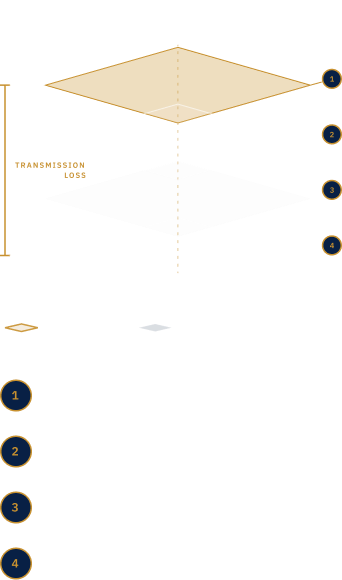
They fail in transmission in the distance between the room where the decision was made and the desk where the work gets done. Five failures account for most of it.

Signal weakens

The message survives the first retelling and thins with every one after it.

Priorities compete

Nothing was cancelled to make room, so the new strategy joins a queue instead of leading it.

Meaning changes

The same words land differently in each function, and no one notices they've diverged.

Adoption stalls

People understand the strategy and still don't change what they do on Monday.

Communication fragments

Each leader builds their own version, and the organization ends up executing several strategies at once.

THE SIGNAL SYSTEM

Quality x Acceptance = Effectiveness

THE GOVERNING EQUATION OF THE SIGNAL SYSTEM

Signal Debt

Signal Debt happens when leaders skip the step of connecting with their audience and move fast anyway. You don’t see the debt is building until it’s too late.

Signal Velocity

Signal Velocity is how fast a strategy transmits without losing its meaning from the leadership team to genuine understanding by the people who must execute it.

Narrative Friction

Narrative Friction is what slows your message to a standstill as it transits between levels, cultures, and channels. Whatever finally arrives isn’t what you wanted.

Strategy Transmission

Strategy Transmission is the art and science of getting a decision from leadership to everyone who must act, and calibrating their understanding in real time, so the decision becomes operational.

Operational Alignment

Operational Alignment means leaders, teams, and stakeholders all understand the strategy the same way, and know what's at stake. The larger your organization, the more difficult alignment becomes.

the Engagements

One day built for your specific situation.

Signal Day is a diagnostic that produces a solution in one day, and an architecture that carries it forward for ninety.

before
Four weeks before

Calibration conversation between Adam Leipzig and your organization's leadership. The day is designed around your specific, immediate situation. This is not a generic program.

Three weeks before

Everyone who will participate will receive one question to answer and send back to me before the Signal Day.

The evening before

There are no pre-readings or other pre-activities. Come ready to make relevant changes that will add massive value.

the day
9:00 - 5:00

Opening on the governing principle, the diagnostic round, working sessions on Quality & Acceptance, building the transmission architecture, an application lab on your highest-stakes communication, and written commitments each participant carries out the door.

after
Day 3

Leadership receives a Signal Brief, a private diagnostic from Adam Leipzig on what the day surfaced and what the organization needs to act on.

Day 14

Every participant receives a personal note from Adam referencing their specific work during the day.

Day 90

Every participant receives their written commitments back to check in on what happened.

industries

The failure is universal.
The shape of it isn't.

How signal breaks down in a private equity portfolio company is not how it breaks down in a defense program or a health system. Select a sector.
01
AI
where the signal breaks
The AI strategy problem is not a technology problem. Every organization scaling AI has discovered the same challenge. While the executive team understands the technology, supports the investment direction, and has approved the roadmap, the teams responsible for executing everything are not moving at speed and with the quality that's required. Often, they don't have the same understanding of what success looks like. PwC recently surveyed 4,500 CEOs and found that while 97% say AI is delivering value to them personally, only 29% say it's delivering value for their organizations. That yawning chasm isn't about technology. It's about transmission of strategy into objectives that everyone in the organization can understand.
what signal day delivers
Signal Day gives financial services leadership teams the diagnostic to find exactly where their signal is breaking down across their stakeholder landscape. Leaders leave the day having rebuilt the transmission architecture for the audiences whose acceptance determines performance: the LP whose capital renews or doesn't; the regulator whose comfort level controls operating freedom; the board whose confidence in the narrative determines how much runway leadership gets; and the internal team whose strategic alignment determines execution efficacy. The result is a financial services organization that competes on the quality of its analysis and the precision with which that analysis reaches every audience whose decision shapes the outcome.
02
Non-profits
where the signal breaks
Non-profits face a transmission problem that is uniquely their own. Although the mission is clear, the cause is compelling, and the leadership believes deeply in the work, the strategy for advancing that mission is challenging. It has to travel simultaneously to boards, major donors, government funders, program staff, volunteers, and the communities being served, each of whom defines success differently, speaks in a different register, and requires a different level of communication. When the signal fractures across those audiences, programs lose momentum, fundraising struggles, and staff burnout becomes a systemic challenge.
what signal day delivers
Signal Day gives non-profit leadership teams the diagnostic architecture to share a coherent strategy internally and externally. Leaders leave the day having mapped which audiences are not receiving the mission at the altitude they need, where donor and funder acceptance is breaking down, and how to rebuild the transmission so all stakeholders are moving harmoniously toward the same outcome. The result is a unified organizational signal that strengthens fundraising conversations, accelerates program adoption, and reduces the internal friction that brings costs beyond purely financial ones.
03
Technology
where the signal breaks
Technology companies are built on an internal paradox. The engineers and technologists who build the product understand it with unmatched depth and precision. The people who sell it, service it, buy it, fund it, regulate it, or adopt it inside their own organizations don’t. And while they should not need to, the distance between technical fluency and organizational acceptance is where most technology strategies lose effectiveness. A product roadmap that makes complete sense to the engineering team will be too in-the-weeds for board presentation; go-to-market strategy that excites sales leadership rarely makes target customers act as significantly as expected.
what signal day delivers
Signal Day gives technology leadership teams diagnostic insight to the root causes of slowed sales cycles, investor presentations that don't move capital, and product launches that don't produce the adoption the engineering quality deserves. Leaders leave the day having rebuilt the transmission architecture for key critical stakeholders: the board that needs a strategic narrative; the enterprise buyer who needs a business case; the internal team that needs operational clarity, and the regulator who needs demonstrated accountability. The result is a technology organization whose signal arrives clearly to every audience that determines whether the strategy succeeds, and a leadership team that knows how to calibrate that signal every time the situation demands it.
04
Financial Services
where the signal breaks
Financial services organizations live and die by narrative. Every client relationship, capital raise, regulatory interaction, and board conversation is a transmission event; and the narrative has to work, because narrative acceptance determines the outcomes that will follow. Technical competence is rarely the problem. But the signal carrying that competence to relevant stakeholders almost always is. Asset managers often can't articulate their thesis to LPs in language LPs understand. Investment banks may find their internal strategy fragments across divisions. FinTech companies frequently discover that their GC-approved approach alienates regulators.
what signal day delivers
Signal Day gives financial services leadership teams the diagnostic to find exactly where their signal is breaking down across their stakeholder landscape. Leaders leave the day having rebuilt the transmission architecture for the audiences whose acceptance determines performance: the LP whose capital renews or doesn't; the regulator whose comfort level controls operating freedom; the board whose confidence in the narrative determines how much runway leadership gets; and the internal team whose strategic alignment determines execution efficacy. The result is a financial services organization that competes on the quality of its analysis and the precision with which that analysis reaches every audience whose decision shapes the outcome.
05
Healthcare
where the signal breaks
Healthcare organizations carry a transmission burden that no other sector matches. Clinical decisions, regulatory requirements, patient outcomes, payer relationships, and board governance all demand precise, audience-specific communication. The cost of a signal failure can be life or death: a missed diagnosis, a regulatory sanction, or a patient who didn't understand their own care plan. Clinical quality is usually excellent. But clinical insights often break down in complex health systems' strategic direction and organizational transformations.
what signal day delivers
Signal Day gives healthcare leadership teams the diagnostic to find where their signal is fragmenting across the stakeholder landscape that defines patient outcomes and organizational performance. Leaders leave the day having rebuilt the transmission architecture for the audiences whose acceptance determines whether strategy becomes practice: the clinical staff whose buy-in determines if a new protocol gets adopted or quietly ignored; the payer whose confidence in the organization controls reimbursement relationships; the board whose understanding of operational reality shapes governance decisions; and the patient whose comprehension of their own care determines health outcomes. The result is a healthcare organization whose strategy travels seamlessly from the boardroom to the bedside, and a leadership team that knows the difference between communicating a policy and transmitting a standard of care
06
Private Equity
where the signal breaks
Private equity runs on narrative precision. Every investment thesis, portfolio company intervention, LP update, and exit story is a transmission event whose outcome is measured in multiples. What separates the firms that consistently deliver from the ones that don't generally isn’t strategy. It’s whether the strategy transmits with enough clarity and acceptance to produce the results the model requires for the fund, each portfolio company, and each management team being asked to execute. A hundred-day plan might make complete analytical sense to the deal team but it will be perceived as a threat to a management team that doesn’t accept it.
what signal day delivers
Signal Day gives private equity leadership teams and their portfolio company executives the diagnostic to find where value creation strategies are losing signal-strength before they lose value. Leaders leave the day having rebuilt the transmission architecture across through relationships that determine fund performance: the LP whose continued commitment depends on a narrative that is accurate and confidence-inspiring; the portfolio company CEO whose alignment behind the value creation plan determines whether the investment thesis executes or stalls; the management team whose acceptance of operational change sets the pace for transformation; and the exit buyer whose confidence in the company's story determines the multiple. The result is a private equity organization whose strategy transmits at full strength from the investment committee to every stakeholder, where decisions determine whether a thesis becomes a return.
07
Manufacturing
where the signal breaks
Manufacturing organizations face a transmission problem that increases at every level of the supply chain. The strategic direction is set at the top, then has to travel through plant managers, shift supervisors, logistics partners, regulatory bodies, and frontline workers to accelerate production, integrate new technology, shift supplier relationships, and respond to geopolitical disruption. The operational clarity needed to carry strategy through a multi-site, multi-tier organization rarely matches the precision of its technical specifications. When the signal fractures in manufacturing, the cost is measured in downtime, defects, delayed shipments, and missed targets.
what signal day delivers
Signal Day gives manufacturing leadership teams the diagnostic to find where strategic direction is losing integrity as it transits through the operational structure. Leaders leave the day having rebuilt the transmission architecture for the stakeholders whose acceptance determines production performance: the plant manager whose interpretation of the strategy shapes everything that happens on the floor, the logistics partner whose supply-chain alignment determines whether customer commitments will be met, the regulatory body whose understanding controls operating approvals, and the frontline workforce whose ownership of the strategy determines whether the organization hits its targets. The result is a manufacturing organization whose strategic signal arrives intact at every level of the operation, with a leadership team that knows the difference between issuing a directive and infusing standards top-to-bottom.
08
Professional Services
where the signal breaks
Professional services firms are built on expertise. Yet expertise, without transmission, produces nothing billable. A law firm whose legal strategy is airtight but whose client communication operates at the altitude of the courtroom rather than the boardroom loses the relationship. An accounting firm whose technical findings are impeccable but whose recommendations never translate into management action produces no real ROI. In professional services, the quality of the work and the quality of its transmission are the same competency. Firms that can’t do this are competing on half their potential value.
what signal day delivers
Signal Day gives professional services leadership teams the diagnostic to find where their expertise is losing signal before it reaches the clients, partners, and internal teams whose acceptance determines whether the work produces the outcomes it was designed to deliver. Leaders leave the day having rebuilt the transmission architecture for the relationships that determine firm performance: the client whose confidence in the firm's narrative determines whether engagements expand or conclude; the cross-practice partner whose alignment behind the firm's strategy determines whether the organization moves as one or competes internally against itself; the junior professional whose understanding of what excellent work looks like at this firm determines the quality that reaches the client; and the prospective client whose first signal from the firm determines whether the relationship begins at all. The result is a professional services firm whose expertise arrives at full strength to every stakeholder that determines whether the work becomes impact, and whose partners know how to demonstrate and transmit their competence. .
09
Media
where the signal breaks
Media organizations are in the signal business. Which is why signal failures inside media companies are among the most costly and least diagnosed in any industry. A content strategy that makes complete sense to an editorial leadership team doesn't transmit to the sales organization whose relationships have to fund it. A distribution deal that excites business affairs alienates the creative leadership who make the content. A digital transformation initiative that the CEO believes is aligned across the organization is being executed in four different directions by four different divisions that don’t trust each other. The transmission system carrying strategy through the organization never gets the same attention as the content for which the strategy was designed.
what signal day delivers
Signal Day gives media leadership teams the diagnostic to find where a strategic signal is fracturing through the organizational structure that determines whether content reaches its audience and whether the business model supporting it survives. Leaders leave the day having rebuilt the transmission architecture for the stakeholders whose acceptance determines performance: the creative leadership whose ownership of the strategic direction determines the quality and consistency of what gets made; the distribution partner whose confidence in the organization's commitments controls the reach of what gets released; the advertiser or investor whose understanding of the company's story determines whether the capital that funds the work keeps flowing; and the audience whose acceptance of what the organization stands for determines whether the content finds its home or disappears into an overcrowded market. The result is a media organization whose internal signal is as precise and intentional as the content it produces, and a leadership team that knows the difference between strategy press release and transmitting the strategy throughout the organization.
10
Energy
where the signal breaks
Energy organizations operate at the intersection of geopolitical reality, regulatory pressure, technological transformation, and public narrative, at a scale where a signal failure can mean a devalued asset, a regulatory action, or a community relationship that took decades to build and days to lose. The technical complexity of energy systems is matched only by the complexity of the stakeholder landscape through which energy strategy has to travel: government entities whose policy decisions control operating licenses; investors whose capital allocation depends on a coherent transition narrative; local communities whose acceptance determines whether a project gets built at all; and internal workforces navigating the human reality of an industry in structural transformation. The system carrying strategic direction typically presents more challenges than the engineering.
what signal day delivers
Signal Day gives energy leadership teams the diagnostic to find where their signal is losing integrity across the stakeholder map that determines whether strategy becomes infrastructure. Leaders leave the day having rebuilt the transmission architecture for the audiences whose acceptance controls what gets built and what gets blocked: the government official whose understanding of the organization's narrative shapes the regulatory environment the company operates in; the institutional investor whose confidence in the transition story determines access to the capital the strategy requires; the community leader whose acceptance of the project's value to the people it affects determines whether construction begins or gets held up; and the internal workforce whose ownership of the transformation agenda determines whether the organization executes at all. The result is an energy organization whose strategic signal travels intact through every layer of the stakeholder landscape, and a leadership team that knows the difference between announcing a transition and transmitting one.
11
Defense
where the signal breaks
Defense organizations operate under a transmission burden that is unlike any other sector. Strategy has to travel simultaneously through military command structures, civilian oversight bodies, congressional appropriators, allied nation partners, prime contractors, and the men and women whose operational decisions in the field are the ultimate execution of everything decided in a headquarters thousands of miles away. The technical capability of defense systems is developed with extraordinary rigor. The organizational system carrying strategic intent, from senior leadership through every layer of that command and contracting structure, rarely receives the same discipline. When the signal breaks down in defense, the cost is measured in mission failure, procurement delay, and the erosion of the institutional trust.
what signal day delivers
Signal Day gives defense leadership teams and their civilian counterparts the diagnostic to find where strategic intent is losing fidelity as it transits through the organizational and contracting structures that determine mission readiness. Leaders leave the day having rebuilt the transmission architecture for the stakeholders whose acceptance determines whether capability becomes operational reality: the congressional oversight body whose confidence in the organization controls the appropriations that fund the mission; the allied partner whose alignment behind the strategic framework determines whether coalition operations execute as designed or crack under pressure; the prime contractor whose understanding of program intent determines whether the systems delivered match the capability required; and the operational commander whose ownership of the strategic direction determines whether the mission succeeds. The result is a defense organization whose strategic signal arrives with full fidelity at every level of the command and contracting structure, and a leadership team that knows the difference between issuing orders and motivating a mission.
12
Government
where the signal breaks
Government organizations encounter a transmission problem that is structurally unique. Strategy has to travel through elected officials, career civil servants, regulatory bodies, oversight committees, inter-agency partners, contractors, and the citizens whose lives the strategy is designed to improve.  Each operates under different incentive structures, different definitions of success, and different time horizons.. A policy that is technically sound and legislatively approved can spend years dissolving in its implementation layer, executed in different directions by different agencies that received the same mandate and produced entirely different programs. The system carrying policy from the chamber where it was decided to the community where it has to work almost never receives the design attention it deserves.
what signal day delivers
Signal Day gives government leadership teams the diagnostic to find where strategic intent is losing fidelity as it transits through the organizational and inter-agency structures that determine whether policy becomes practice. Leaders leave the day having rebuilt the transmission architecture for the stakeholders whose acceptance determines whether government strategy produces public value: the career civil servant whose interpretation of the mandate shapes the implementation layer; the inter-agency partner whose alignment behind the shared objective determines whether departments collaborate or compete for the same outcome; the oversight body whose confidence in the organization controls the political environment; and the citizen whose understanding the program determines whether the people it was designed to serve actually use it. The result is a government organization whose strategic signal travels intact from legislative intent to operational reality, with leadership that knows the difference between passing a policy and transmitting one.
SECTOR
01
AI
01
AI
where the signal breaks
The AI strategy problem is not a technology problem. Every organization scaling AI has discovered the same challenge. While the executive team understands the technology, supports the investment direction, and has approved the roadmap, the teams responsible for executing everything are not moving at speed and with the quality that's required. Often, they don't have the same understanding of what success looks like. PwC recently surveyed 4,500 CEOs and found that while 97% say AI is delivering value to them personally, only 29% say it's delivering value for their organizations. That yawning chasm isn't about technology. It's about transmission of strategy into objectives that everyone in the organization can understand.
what signal day delivers
Signal Day gives financial services leadership teams the diagnostic to find exactly where their signal is breaking down across their stakeholder landscape. Leaders leave the day having rebuilt the transmission architecture for the audiences whose acceptance determines performance: the LP whose capital renews or doesn't; the regulator whose comfort level controls operating freedom; the board whose confidence in the narrative determines how much runway leadership gets; and the internal team whose strategic alignment determines execution efficacy. The result is a financial services organization that competes on the quality of its analysis and the precision with which that analysis reaches every audience whose decision shapes the outcome.
02
Non-profits
02
Non-profits
where the signal breaks
Non-profits face a transmission problem that is uniquely their own. Although the mission is clear, the cause is compelling, and the leadership believes deeply in the work, the strategy for advancing that mission is challenging. It has to travel simultaneously to boards, major donors, government funders, program staff, volunteers, and the communities being served, each of whom defines success differently, speaks in a different register, and requires a different level of communication. When the signal fractures across those audiences, programs lose momentum, fundraising struggles, and staff burnout becomes a systemic challenge.
what signal day delivers
Signal Day gives non-profit leadership teams the diagnostic architecture to share a coherent strategy internally and externally. Leaders leave the day having mapped which audiences are not receiving the mission at the altitude they need, where donor and funder acceptance is breaking down, and how to rebuild the transmission so all stakeholders are moving harmoniously toward the same outcome. The result is a unified organizational signal that strengthens fundraising conversations, accelerates program adoption, and reduces the internal friction that brings costs beyond purely financial ones.
03
Technology
03
Technology
where the signal breaks
Technology companies are built on an internal paradox. The engineers and technologists who build the product understand it with unmatched depth and precision. The people who sell it, service it, buy it, fund it, regulate it, or adopt it inside their own organizations don’t. And while they should not need to, the distance between technical fluency and organizational acceptance is where most technology strategies lose effectiveness. A product roadmap that makes complete sense to the engineering team will be too in-the-weeds for board presentation; go-to-market strategy that excites sales leadership rarely makes target customers act as significantly as expected.
what signal day delivers
Signal Day gives technology leadership teams diagnostic insight to the root causes of slowed sales cycles, investor presentations that don't move capital, and product launches that don't produce the adoption the engineering quality deserves. Leaders leave the day having rebuilt the transmission architecture for key critical stakeholders: the board that needs a strategic narrative; the enterprise buyer who needs a business case; the internal team that needs operational clarity, and the regulator who needs demonstrated accountability. The result is a technology organization whose signal arrives clearly to every audience that determines whether the strategy succeeds, and a leadership team that knows how to calibrate that signal every time the situation demands it.
04
Financial Services
04
Financial Services
where the signal breaks
Financial services organizations live and die by narrative. Every client relationship, capital raise, regulatory interaction, and board conversation is a transmission event; and the narrative has to work, because narrative acceptance determines the outcomes that will follow. Technical competence is rarely the problem. But the signal carrying that competence to relevant stakeholders almost always is. Asset managers often can't articulate their thesis to LPs in language LPs understand. Investment banks may find their internal strategy fragments across divisions. FinTech companies frequently discover that their GC-approved approach alienates regulators.
what signal day delivers
Signal Day gives financial services leadership teams the diagnostic to find exactly where their signal is breaking down across their stakeholder landscape. Leaders leave the day having rebuilt the transmission architecture for the audiences whose acceptance determines performance: the LP whose capital renews or doesn't; the regulator whose comfort level controls operating freedom; the board whose confidence in the narrative determines how much runway leadership gets; and the internal team whose strategic alignment determines execution efficacy. The result is a financial services organization that competes on the quality of its analysis and the precision with which that analysis reaches every audience whose decision shapes the outcome.
05
Healthcare
05
Healthcare
where the signal breaks
Healthcare organizations carry a transmission burden that no other sector matches. Clinical decisions, regulatory requirements, patient outcomes, payer relationships, and board governance all demand precise, audience-specific communication. The cost of a signal failure can be life or death: a missed diagnosis, a regulatory sanction, or a patient who didn't understand their own care plan. Clinical quality is usually excellent. But clinical insights often break down in complex health systems' strategic direction and organizational transformations.
what signal day delivers
Signal Day gives healthcare leadership teams the diagnostic to find where their signal is fragmenting across the stakeholder landscape that defines patient outcomes and organizational performance. Leaders leave the day having rebuilt the transmission architecture for the audiences whose acceptance determines whether strategy becomes practice: the clinical staff whose buy-in determines if a new protocol gets adopted or quietly ignored; the payer whose confidence in the organization controls reimbursement relationships; the board whose understanding of operational reality shapes governance decisions; and the patient whose comprehension of their own care determines health outcomes. The result is a healthcare organization whose strategy travels seamlessly from the boardroom to the bedside, and a leadership team that knows the difference between communicating a policy and transmitting a standard of care
06
Private Equity
06
Private Equity
where the signal breaks
Private equity runs on narrative precision. Every investment thesis, portfolio company intervention, LP update, and exit story is a transmission event whose outcome is measured in multiples. What separates the firms that consistently deliver from the ones that don't generally isn’t strategy. It’s whether the strategy transmits with enough clarity and acceptance to produce the results the model requires for the fund, each portfolio company, and each management team being asked to execute. A hundred-day plan might make complete analytical sense to the deal team but it will be perceived as a threat to a management team that doesn’t accept it.
what signal day delivers
Signal Day gives private equity leadership teams and their portfolio company executives the diagnostic to find where value creation strategies are losing signal-strength before they lose value. Leaders leave the day having rebuilt the transmission architecture across through relationships that determine fund performance: the LP whose continued commitment depends on a narrative that is accurate and confidence-inspiring; the portfolio company CEO whose alignment behind the value creation plan determines whether the investment thesis executes or stalls; the management team whose acceptance of operational change sets the pace for transformation; and the exit buyer whose confidence in the company's story determines the multiple. The result is a private equity organization whose strategy transmits at full strength from the investment committee to every stakeholder, where decisions determine whether a thesis becomes a return.
07
Manufacturing
07
Manufacturing
where the signal breaks
Manufacturing organizations face a transmission problem that increases at every level of the supply chain. The strategic direction is set at the top, then has to travel through plant managers, shift supervisors, logistics partners, regulatory bodies, and frontline workers to accelerate production, integrate new technology, shift supplier relationships, and respond to geopolitical disruption. The operational clarity needed to carry strategy through a multi-site, multi-tier organization rarely matches the precision of its technical specifications. When the signal fractures in manufacturing, the cost is measured in downtime, defects, delayed shipments, and missed targets.
what signal day delivers
Signal Day gives manufacturing leadership teams the diagnostic to find where strategic direction is losing integrity as it transits through the operational structure. Leaders leave the day having rebuilt the transmission architecture for the stakeholders whose acceptance determines production performance: the plant manager whose interpretation of the strategy shapes everything that happens on the floor, the logistics partner whose supply-chain alignment determines whether customer commitments will be met, the regulatory body whose understanding controls operating approvals, and the frontline workforce whose ownership of the strategy determines whether the organization hits its targets. The result is a manufacturing organization whose strategic signal arrives intact at every level of the operation, with a leadership team that knows the difference between issuing a directive and infusing standards top-to-bottom.
08
Professional Services
08
Professional Services
where the signal breaks
Professional services firms are built on expertise. Yet expertise, without transmission, produces nothing billable. A law firm whose legal strategy is airtight but whose client communication operates at the altitude of the courtroom rather than the boardroom loses the relationship. An accounting firm whose technical findings are impeccable but whose recommendations never translate into management action produces no real ROI. In professional services, the quality of the work and the quality of its transmission are the same competency. Firms that can’t do this are competing on half their potential value.
what signal day delivers
Signal Day gives professional services leadership teams the diagnostic to find where their expertise is losing signal before it reaches the clients, partners, and internal teams whose acceptance determines whether the work produces the outcomes it was designed to deliver. Leaders leave the day having rebuilt the transmission architecture for the relationships that determine firm performance: the client whose confidence in the firm's narrative determines whether engagements expand or conclude; the cross-practice partner whose alignment behind the firm's strategy determines whether the organization moves as one or competes internally against itself; the junior professional whose understanding of what excellent work looks like at this firm determines the quality that reaches the client; and the prospective client whose first signal from the firm determines whether the relationship begins at all. The result is a professional services firm whose expertise arrives at full strength to every stakeholder that determines whether the work becomes impact, and whose partners know how to demonstrate and transmit their competence. .
09
Media
09
Media
where the signal breaks
Media organizations are in the signal business. Which is why signal failures inside media companies are among the most costly and least diagnosed in any industry. A content strategy that makes complete sense to an editorial leadership team doesn't transmit to the sales organization whose relationships have to fund it. A distribution deal that excites business affairs alienates the creative leadership who make the content. A digital transformation initiative that the CEO believes is aligned across the organization is being executed in four different directions by four different divisions that don’t trust each other. The transmission system carrying strategy through the organization never gets the same attention as the content for which the strategy was designed.
what signal day delivers
Signal Day gives media leadership teams the diagnostic to find where a strategic signal is fracturing through the organizational structure that determines whether content reaches its audience and whether the business model supporting it survives. Leaders leave the day having rebuilt the transmission architecture for the stakeholders whose acceptance determines performance: the creative leadership whose ownership of the strategic direction determines the quality and consistency of what gets made; the distribution partner whose confidence in the organization's commitments controls the reach of what gets released; the advertiser or investor whose understanding of the company's story determines whether the capital that funds the work keeps flowing; and the audience whose acceptance of what the organization stands for determines whether the content finds its home or disappears into an overcrowded market. The result is a media organization whose internal signal is as precise and intentional as the content it produces, and a leadership team that knows the difference between strategy press release and transmitting the strategy throughout the organization.
10
Energy
10
Energy
where the signal breaks
Energy organizations operate at the intersection of geopolitical reality, regulatory pressure, technological transformation, and public narrative, at a scale where a signal failure can mean a devalued asset, a regulatory action, or a community relationship that took decades to build and days to lose. The technical complexity of energy systems is matched only by the complexity of the stakeholder landscape through which energy strategy has to travel: government entities whose policy decisions control operating licenses; investors whose capital allocation depends on a coherent transition narrative; local communities whose acceptance determines whether a project gets built at all; and internal workforces navigating the human reality of an industry in structural transformation. The system carrying strategic direction typically presents more challenges than the engineering.
what signal day delivers
Signal Day gives energy leadership teams the diagnostic to find where their signal is losing integrity across the stakeholder map that determines whether strategy becomes infrastructure. Leaders leave the day having rebuilt the transmission architecture for the audiences whose acceptance controls what gets built and what gets blocked: the government official whose understanding of the organization's narrative shapes the regulatory environment the company operates in; the institutional investor whose confidence in the transition story determines access to the capital the strategy requires; the community leader whose acceptance of the project's value to the people it affects determines whether construction begins or gets held up; and the internal workforce whose ownership of the transformation agenda determines whether the organization executes at all. The result is an energy organization whose strategic signal travels intact through every layer of the stakeholder landscape, and a leadership team that knows the difference between announcing a transition and transmitting one.
11
Defense
11
Defense
where the signal breaks
Defense organizations operate under a transmission burden that is unlike any other sector. Strategy has to travel simultaneously through military command structures, civilian oversight bodies, congressional appropriators, allied nation partners, prime contractors, and the men and women whose operational decisions in the field are the ultimate execution of everything decided in a headquarters thousands of miles away. The technical capability of defense systems is developed with extraordinary rigor. The organizational system carrying strategic intent, from senior leadership through every layer of that command and contracting structure, rarely receives the same discipline. When the signal breaks down in defense, the cost is measured in mission failure, procurement delay, and the erosion of the institutional trust.
what signal day delivers
Signal Day gives defense leadership teams and their civilian counterparts the diagnostic to find where strategic intent is losing fidelity as it transits through the organizational and contracting structures that determine mission readiness. Leaders leave the day having rebuilt the transmission architecture for the stakeholders whose acceptance determines whether capability becomes operational reality: the congressional oversight body whose confidence in the organization controls the appropriations that fund the mission; the allied partner whose alignment behind the strategic framework determines whether coalition operations execute as designed or crack under pressure; the prime contractor whose understanding of program intent determines whether the systems delivered match the capability required; and the operational commander whose ownership of the strategic direction determines whether the mission succeeds. The result is a defense organization whose strategic signal arrives with full fidelity at every level of the command and contracting structure, and a leadership team that knows the difference between issuing orders and motivating a mission.
12
Government
12
Government
where the signal breaks
Government organizations encounter a transmission problem that is structurally unique. Strategy has to travel through elected officials, career civil servants, regulatory bodies, oversight committees, inter-agency partners, contractors, and the citizens whose lives the strategy is designed to improve.  Each operates under different incentive structures, different definitions of success, and different time horizons.. A policy that is technically sound and legislatively approved can spend years dissolving in its implementation layer, executed in different directions by different agencies that received the same mandate and produced entirely different programs. The system carrying policy from the chamber where it was decided to the community where it has to work almost never receives the design attention it deserves.
what signal day delivers
Signal Day gives government leadership teams the diagnostic to find where strategic intent is losing fidelity as it transits through the organizational and inter-agency structures that determine whether policy becomes practice. Leaders leave the day having rebuilt the transmission architecture for the stakeholders whose acceptance determines whether government strategy produces public value: the career civil servant whose interpretation of the mandate shapes the implementation layer; the inter-agency partner whose alignment behind the shared objective determines whether departments collaborate or compete for the same outcome; the oversight body whose confidence in the organization controls the political environment; and the citizen whose understanding the program determines whether the people it was designed to serve actually use it. The result is a government organization whose strategic signal travels intact from legislative intent to operational reality, with leadership that knows the difference between passing a policy and transmitting one.
case studies

How Signal Day works in practice

How signal breaks down in a private equity portfolio company is not how it breaks down in a defense program or a health system. Select a sector.

sector
engagement
outcome
Technology • Manufacturing
Targets fully met at six months
Technology • Manufacturing
Targets fully met at six months
International financing • Investment
Institutional at ninety days
International financing • Investment
Institutional at ninety days

Request an Executive Conversation

A 45-minute call to look at one strategy you're currently trying to land, and where it's most likely getting lost.

Send my request
Thank you! Your submission has been received!
Oops! Something went wrong while submitting the form.

RESOURCE CENTER

Before you talk to us, talk to your data.

Seven diagnostics built to surface exactly where an organization's signal is breaking down, so the first conversation starts from evidence, not a guess.

Executive Strategy Transmission Scorecard

Where your strategy is losing strength on the way down.

Board Alignment Assessment

Whether the board and management are telling the same story.

Signal Diagnostic

A first-pass read on quality, acceptance, and effectiveness.

Transformation Readiness Assessment

What has to be true before a transformation can land.

AI Adoption Alignment Framework

Where AI strategy is understood but not yet operational.

CEO Communication Audit

How the CEO's message changes by the time it's acted on.

Narrative Risk Assessment

Where a strong story is most likely to be misread.

About Adam Leipzig

The method came from the work, not the other way round.

Adam Leipzig has spent his career in organizations where a strategy either transmits or it fails in public as an executive at Disney and National Geographic, where creative intent had to survive thousands of people and hundreds of decisions intact.

He teaches Fortune 100 executives at UC Berkeley and advises leadership teams across technology, financial services, defense and government. The Signal System is the formalization of what he found consistently in all of it: the strategy was rarely the problem.

Find out what your organization is actually hearing.

An executive conversation is 45 minutes. We look at one strategy you're currently trying to land, and where it's most likely being lost.

See the signal system